
National Biosafety Portal of the Kyrgyz Republic
in accordance with the Cartagena Protocol on Biosafety
National Biosafety Portal of the Kyrgyz Republic
in accordance with the Cartagena Protocol on Biosafety

A two-day consultative meeting on biosafety issues, organized within the framework of the FAO/GEF project, took place in the Issyk-Kul region. Participants discussed the implementation of the new law on biological safety, the Cartagena Protocol and the development of the national system for regulating GMOs in Kyrgyzstan.
Issyk-Kul Region – The globalization of the economy, rapid development of transport and trade, technological advances, and the growing awareness of biodiversity and environmental challenges have heightened public interest in biosecurity issues worldwide.
From 23 to 24 June 2025, a two-day consultative workshop on biosecurity was held in Bulan-Sogottu village, Issyk-Kul region, with the support of the Food and Agriculture Organization of the United Nations (FAO).
The event brought together representatives of key government institutions of the Kyrgyz Republic responsible for biosafety, including the Ministry of Health, the Ministry of Economy and Commerce, the Ministry of Water Resources, the Ministry of Agriculture and Processing Industry, and the Ministry of Emergency Situations.
“Recently, Kyrgyzstan adopted a Law on Biological Safety, which incorporates the core provisions of the Cartagena Protocol on Biosafety,” said Mayrambek Aliev, Head of the Plant Resources Division, Ministry of Natural Resources, Ecology and Technical Supervision of the Kyrgyz Republic. “We now aim to work jointly with all relevant stakeholders to develop the necessary secondary legislation. This law is of strategic importance for our country.”
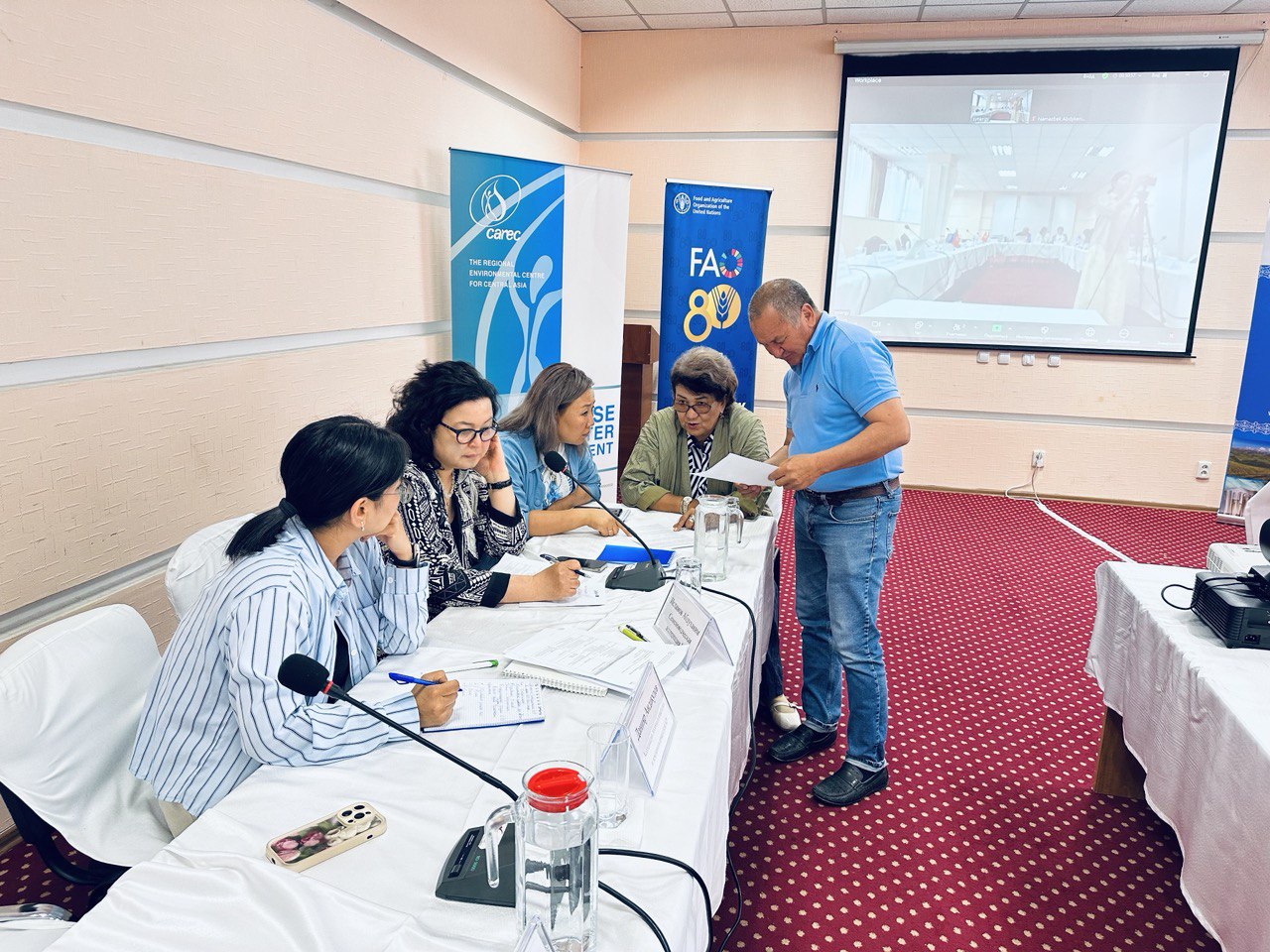
The Cartagena Protocol on Biosafety, developed under the Convention on Biological Diversity, is an international agreement that aims to ensure the safe handling, transport, and use of living modified organisms (LMOs) that may have adverse effects on biodiversity, with a particular focus on transboundary movements. It was adopted to help countries with limited regulatory capacity protect human health and the environment. Kyrgyzstan acceded to the Protocol in August 2005.
The event was organized within the framework of the FAO project “Implementation of the National Biosafety Mechanism in the Kyrgyz Republic in Line with the Cartagena Protocol on Biosafety”, funded by the Global Environment Facility (GEF).
The objective of the project is to support the establishment of a sustainable and effective national biosafety framework in line with international standards. The initiative includes development of legal and regulatory frameworks, capacity building of national institutions, public awareness-raising, and creation of risk response mechanisms related to GMOs.
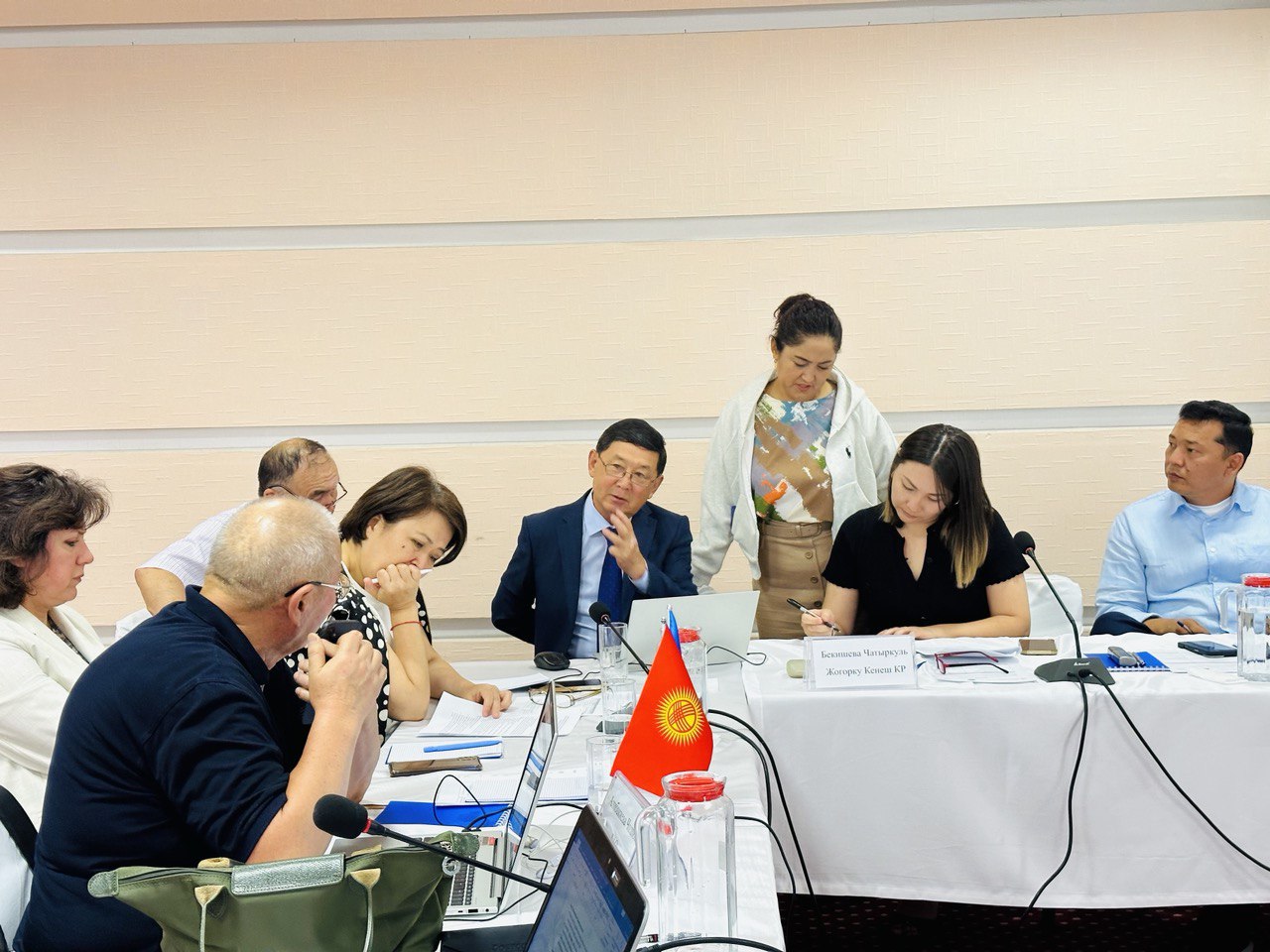
“The implementation of this project is of strategic importance, as it is the first of its kind not only in Kyrgyzstan, but across the region, focused specifically on supporting implementation of the Cartagena Protocol,” said Cholpon Alibakieva, FAO National Chief Technical Advisor. “We are currently working in close cooperation with the Regional Environmental Centre for Central Asia and are committed to achieving the goals set out. There is still a great deal of work ahead to operationalize the new law on biosafety, and coordinated efforts among all stakeholders are essential for sustainable results.”
During the event, international FAO expert Sara Agapito provided an in-depth overview of the Nagoya – Kuala Lumpur Supplementary Protocol, highlighting its relevance in strengthening liability and redress in cases of damage arising from the transboundary movement of LMOs. Participants engaged in practical discussions on biosafety-related issues, including identifying gaps in national legislation on GMO liability, evaluating the effectiveness of current norms, and exploring potential mechanisms for environmental compensation.
They also reviewed the benefits and risks associated with Kyrgyzstan’s potential accession to the Nagoya – Kuala Lumpur Supplementary Protocol. Additional topics included the principle of strict liability for LMO-related damage and ensuring public access to biosecurity information, especially for farmers.
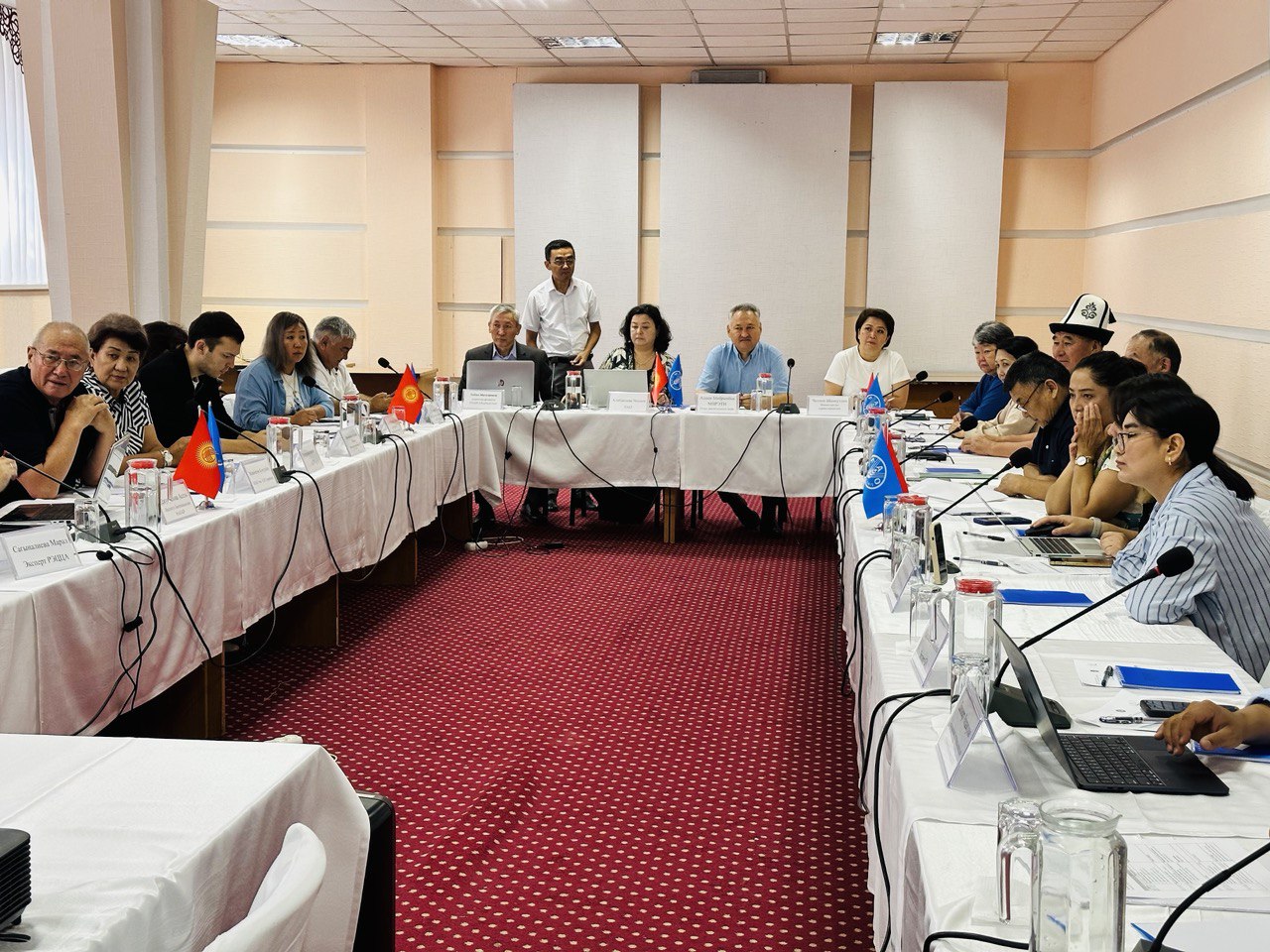
This year marks the 80th anniversary of FAO’s founding, underscoring the significance of collective global efforts toward sustainable development, food security, and environmental protection. Participants emphasized that the consultative meeting represents an important milestone in strengthening Kyrgyzstan’s biosecurity system.
The workshop served as a platform for coordinated decision-making, experience exchange, and enhanced inter-agency cooperation – another step forward in building a robust, science-based and transparent biosecurity framework that safeguards public health, protects the environment, and supports the country’s international commitments.
Source:
https://www.fao.org/countryprofiles/news-archive/detail-news/en/c/1739546/
https://www.facebook.com/profile.php?id=100076214776430

A two-day national seminar dedicated to the development of the national biosafety mechanism was held in Issyk-Kul. The participants discussed digitalization, improvement of legislation, interdepartmental interaction and prepared recommendations for the further development of the biosafety system of Kyrgyzstan.
Read more
A national seminar on biosafety issues was held in the city of Naryn, dedicated to improving legislation, developing by-laws and developing a national biosafety mechanism in accordance with the Cartagena Protocol.
Read more
The national seminar in Bishkek brought together representatives of government agencies, the expert community and farmers to discuss improving the biosafety system, regulation of GMOs and implementation of the Cartagena Protocol in Kyrgyzstan.
Read more
Food and Agriculture Organization of the United Nations
Ministry of Natural Resources, Ecology and Technical Supervision of the Kyrgyz Republic

Global Environment Facility
UN Environment Program
Website of the Convention on Biodiversity