
National Biosafety Portal of the Kyrgyz Republic
in accordance with the Cartagena Protocol on Biosafety
National Biosafety Portal of the Kyrgyz Republic
in accordance with the Cartagena Protocol on Biosafety

On May 14, 2026, a meeting of the Council for Sustainable Development under the Toraga Jogorku Kenesh of the Kyrgyz Republic was held in Bishkek, dedicated to issues of biosafety, ecology and innovation. Participants discussed the implementation of the Law of the Kyrgyz Republic “On Biological Safety”, the development of the national biosafety system and measures to strengthen the country’s environmental sustainability.
It is noted that this meeting was the first held by the Council’s new membership, during which issues related to biosafety, environmental sustainability, and the implementation of innovative approaches to the country’s sustainable development system were discussed.
During the meeting, representatives of government agencies, international organizations, and the expert community discussed the implementation of the Law of the Kyrgyz Republic “On Biosafety,” the development of the national biosafety system, and issues related to the country’s environmental sustainability.
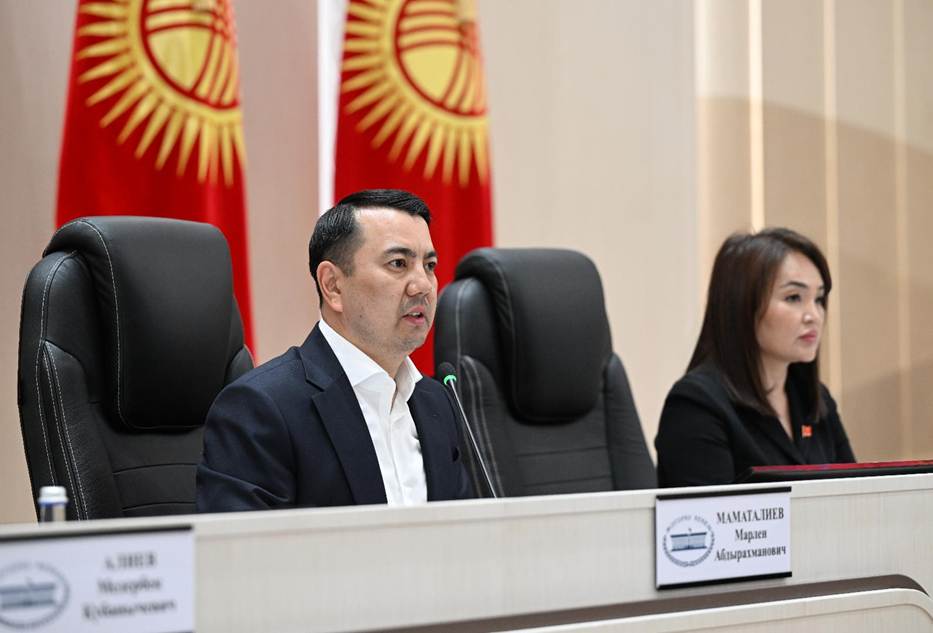
In his opening remarks, Marlen Mamataliyev, Speaker of the Jogorku Kenesh of the Kyrgyz Republic, emphasized the importance of a comprehensive approach to biosafety issues: “Today, biosafety issues are directly linked to national security, public health, and the conservation of biodiversity. It is important for Kyrgyzstan to strengthen its legislative and institutional framework in this area, taking into account international obligations and contemporary challenges,” noted Marlen Mamataliev.
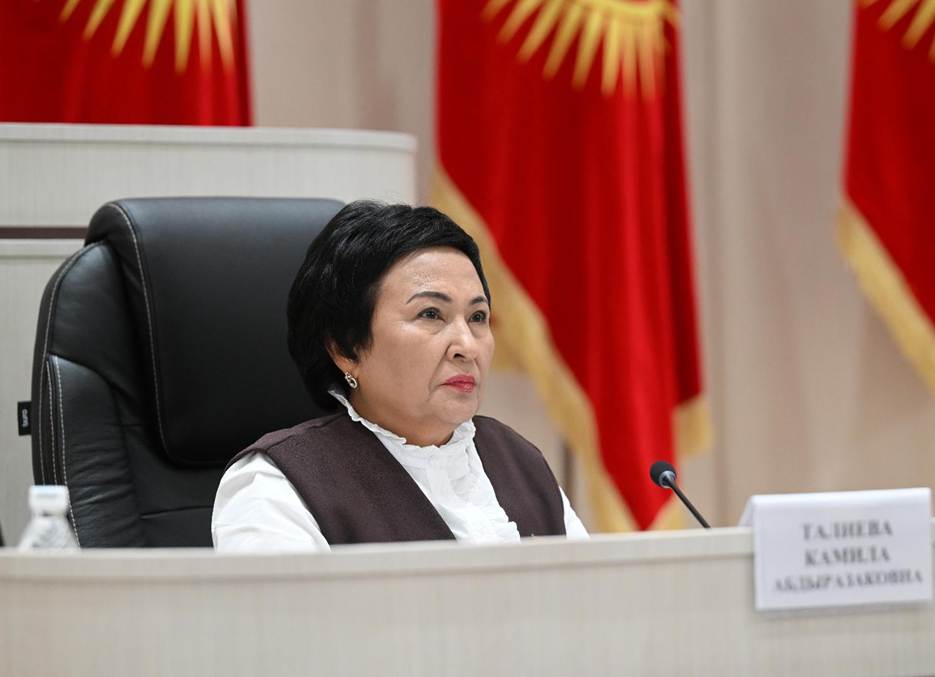
Kamila Talieva, Deputy Chair of the Council on Sustainable Development in the Context of Climate Change under the Speaker of the Jogorku Kenesh of the Kyrgyz Republic, emphasized the need for interagency cooperation and raising public awareness: “Biosafety is not only a matter of legislation, but also a matter of the country’s sustainable future. Today, it is particularly important to unite the efforts of the state, the scientific community, and international partners to preserve Kyrgyzstan’s ecosystems and environmental security,” emphasized Kamila Talieva.
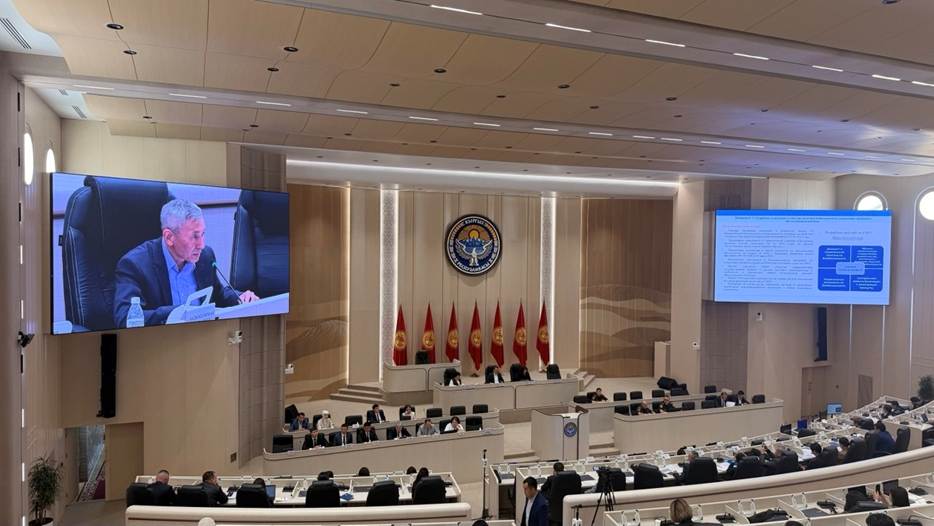
During the meeting, Kuban Matraimov, Director of the Kyrgyz Republic Branch of the Regional Environmental Center for Central Asia, presented the results of the FAO/GEF project “Implementation of the National Biosafety Mechanism in the Kyrgyz Republic in accordance with the Cartagena Protocol on Biosafety” for 2023–2027.
In his remarks, he noted that the project aims to strengthen the national biosafety system, improve the regulatory framework, and develop the technical capacity of government agencies in accordance with the requirements of the Cartagena Protocol on Biosafety.
“As part of the project, expert support was provided in drafting the Law of the Kyrgyz Republic ‘On Biological Safety,’ proposals were prepared for the country’s strategic documents, and methodological and regulatory materials were developed in the field of assessing and monitoring risks associated with GMOs and living modified organisms,” Kuban Matraimov reported.
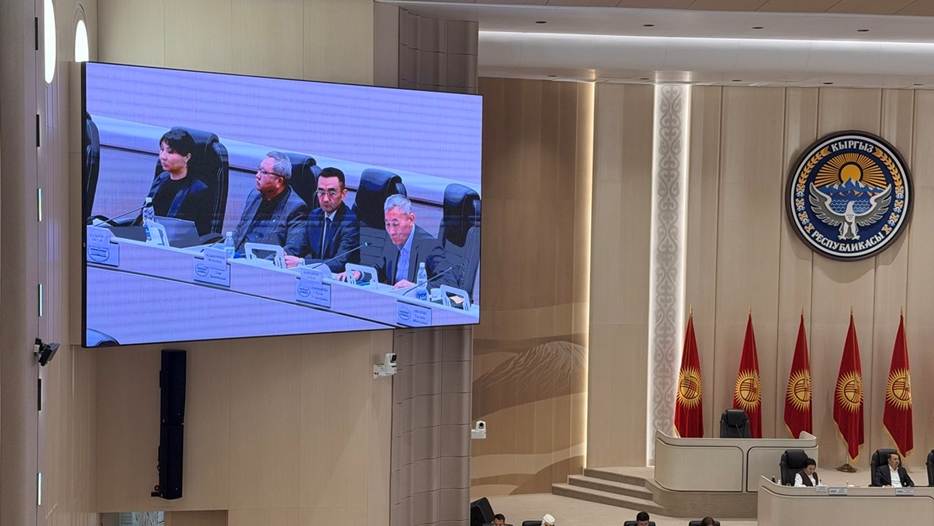
He also noted that, as part of the project, national reports on the implementation of the Cartagena Protocol have been prepared, a dedicated website on GMOs and biosafety has been developed, and the project’s findings have been presented to international partners and the Secretariat of the Convention on Biological Diversity.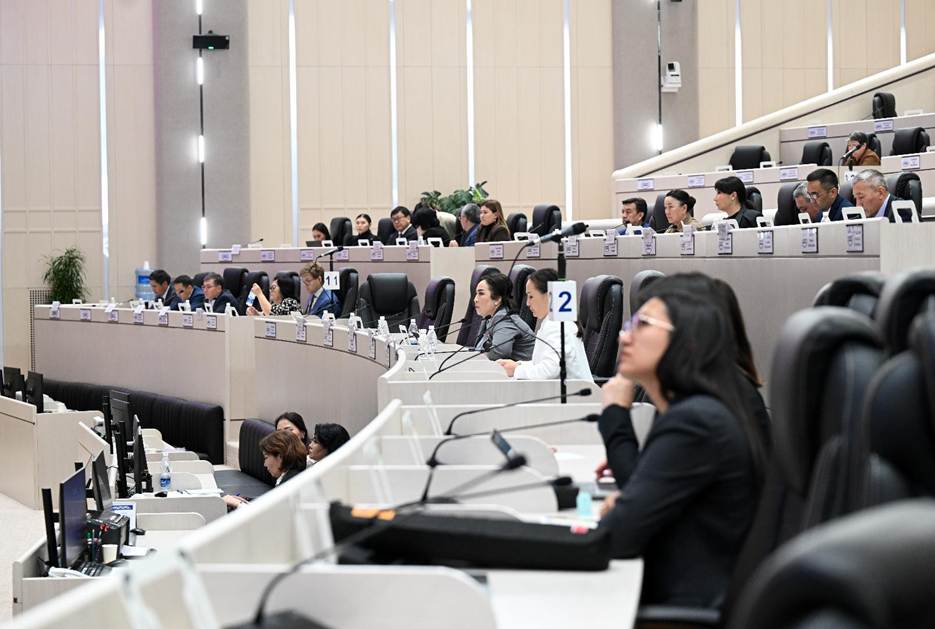
Following the meeting, the participants emphasized the need to further improve biosafety legislation, strengthen interagency cooperation, train specialists, and develop a system for monitoring biological risks.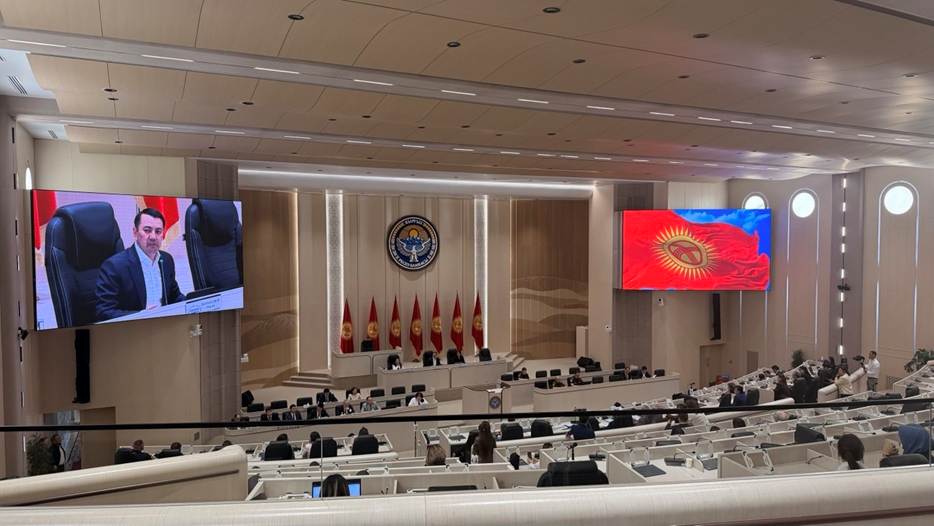
The Cabinet of Ministers of the Kyrgyz Republic is recommended to continue its efforts to implement the Law of the Kyrgyz Republic “On Biosafety,” develop the necessary subordinate legislation, and strengthen cooperation with international partners, including the FAO, in the field of biosafety and food security.
Source: https://carececo.org/main/news/voprosy-biobezopasnosti-rassmotreny-na-zasedanii-soveta-pri-toraga-zhogorku-kenesha-kr/

FAO and CAREC present a documentary film about the development of the National Biosafety Mechanism of Kyrgyzstan. The film talks about the Cartagena Protocol, improving legislation, developing laboratories, risk assessment and protecting the country's biodiversity.
Read more
CAREC's new animated video tells in simple language about living modified organisms (LMOs), GMOs and biosafety principles, and also introduces the role of the Cartagena Protocol and the development of the national biosafety system of Kyrgyzstan.
Read more
Director of the CAREC branch in Kyrgyzstan Kuban Matraimov spoke about the presence of GMOs in the country, regulation of genetically modified products, development of laboratory facilities and prospects for the national biosafety system.
Read more
Food and Agriculture Organization of the United Nations
Ministry of Natural Resources, Ecology and Technical Supervision of the Kyrgyz Republic

Global Environment Facility
UN Environment Program

Website of the Convention on Biodiversity